Which CRM systems do you integrate mobile apps with in Saudi Arabia?
The CRM and ERP platforms we connect most often in the Kingdom are SAP, Oracle, Microsoft Dynamics, Odoo and Salesforce. We wire mobile apps to the live customer, sales and operational data inside them, so field teams, agents and customers see the same picture as head office. If your stack is mixed, we map the integration in discovery and build the APIs or middleware the app needs, rather than forcing a one-size-fits-all connector.
Do you support HarmonyOS development for Huawei devices?
Yes. Our apps are built to support iOS, Android and Huawei, because Huawei holds a significant share of smartphones across the GCC and we optimise every project for that audience. We develop natively for HarmonyOS where the product demands it, distribute through Huawei AppGallery, and test on Huawei hardware alongside Apple and Android devices. Ignoring Huawei in Saudi Arabia means leaving a large part of the market off the home screen.
What are the largest mobile apps you have built in Saudi Arabia?
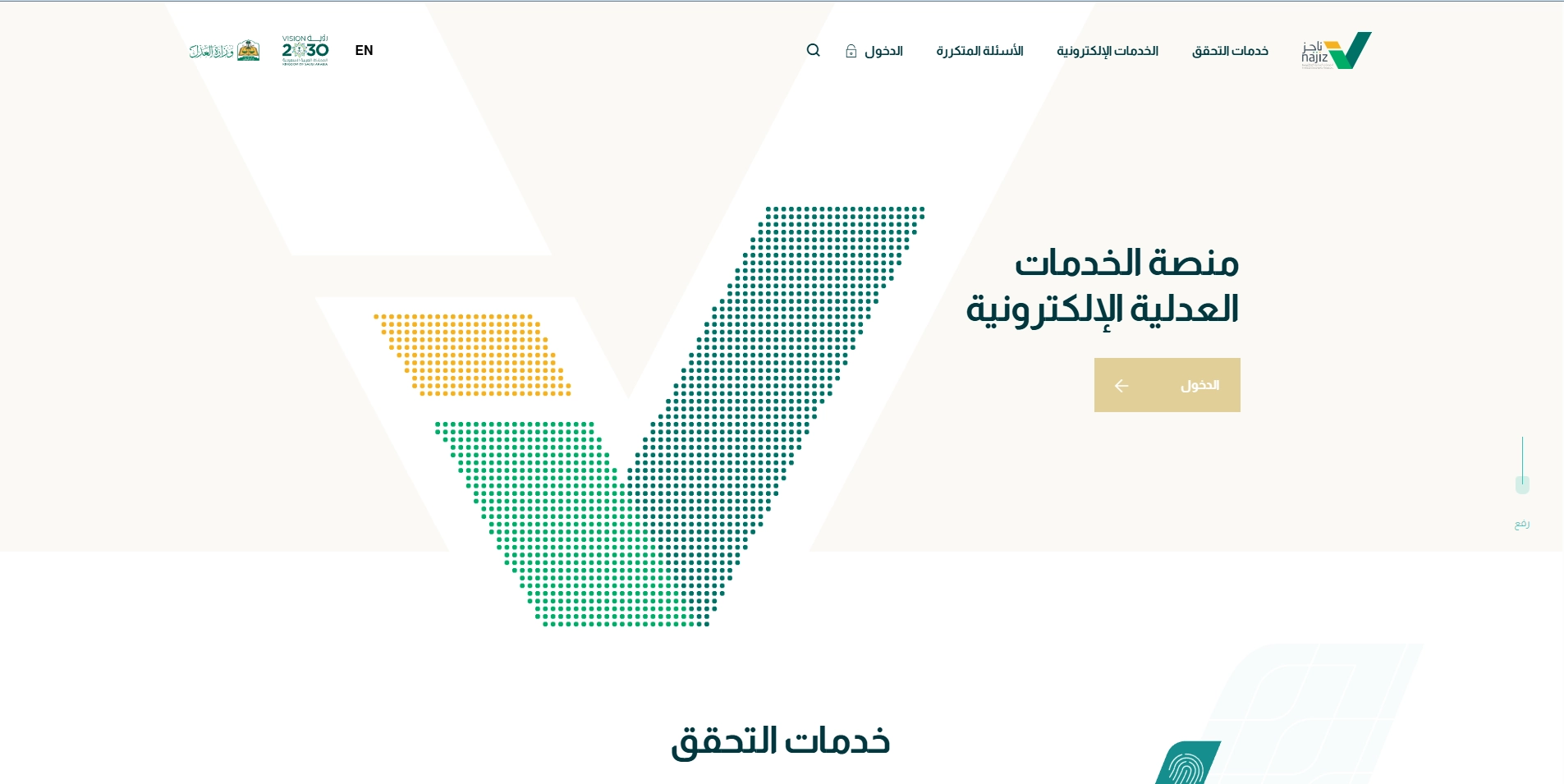
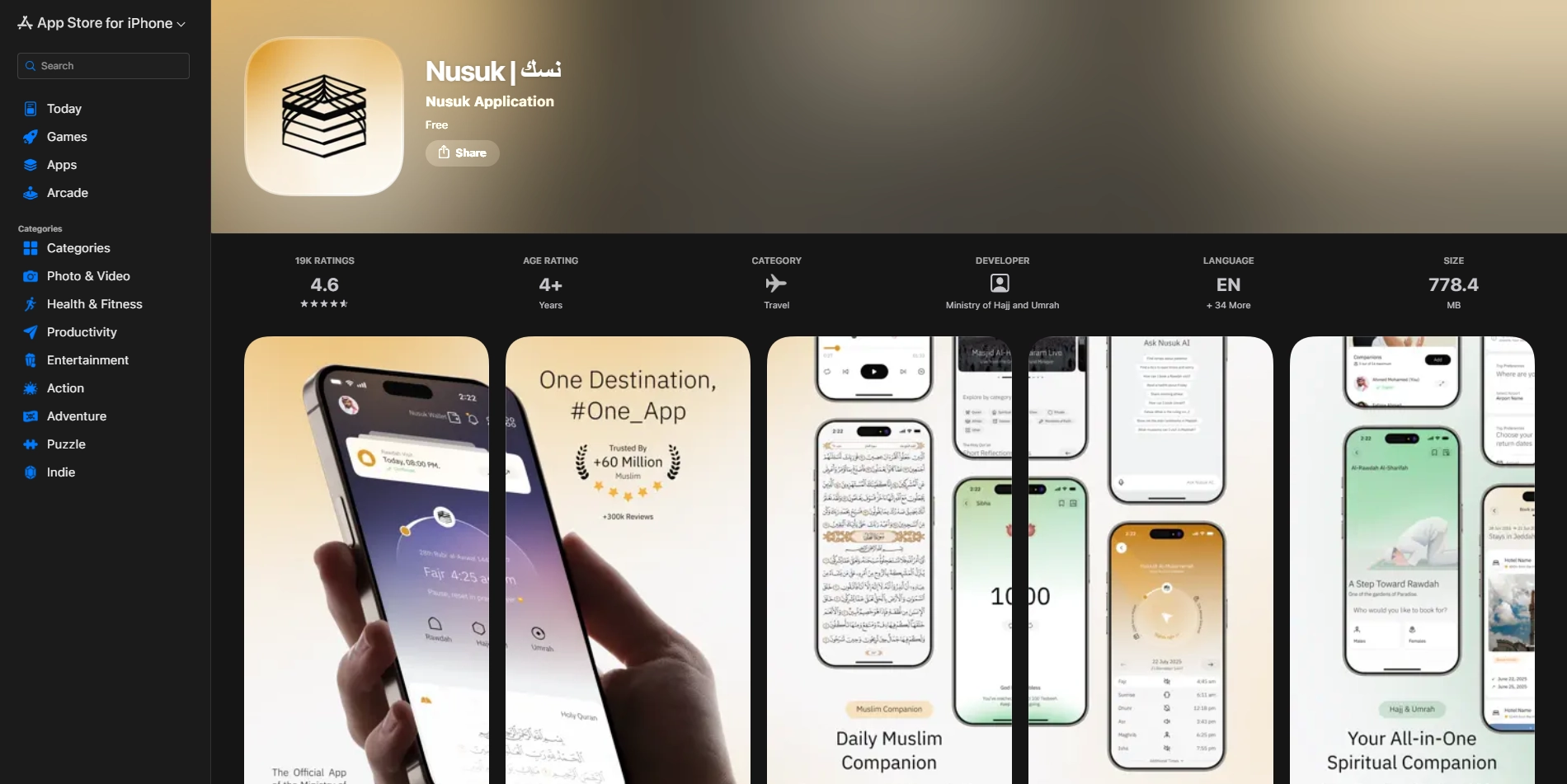
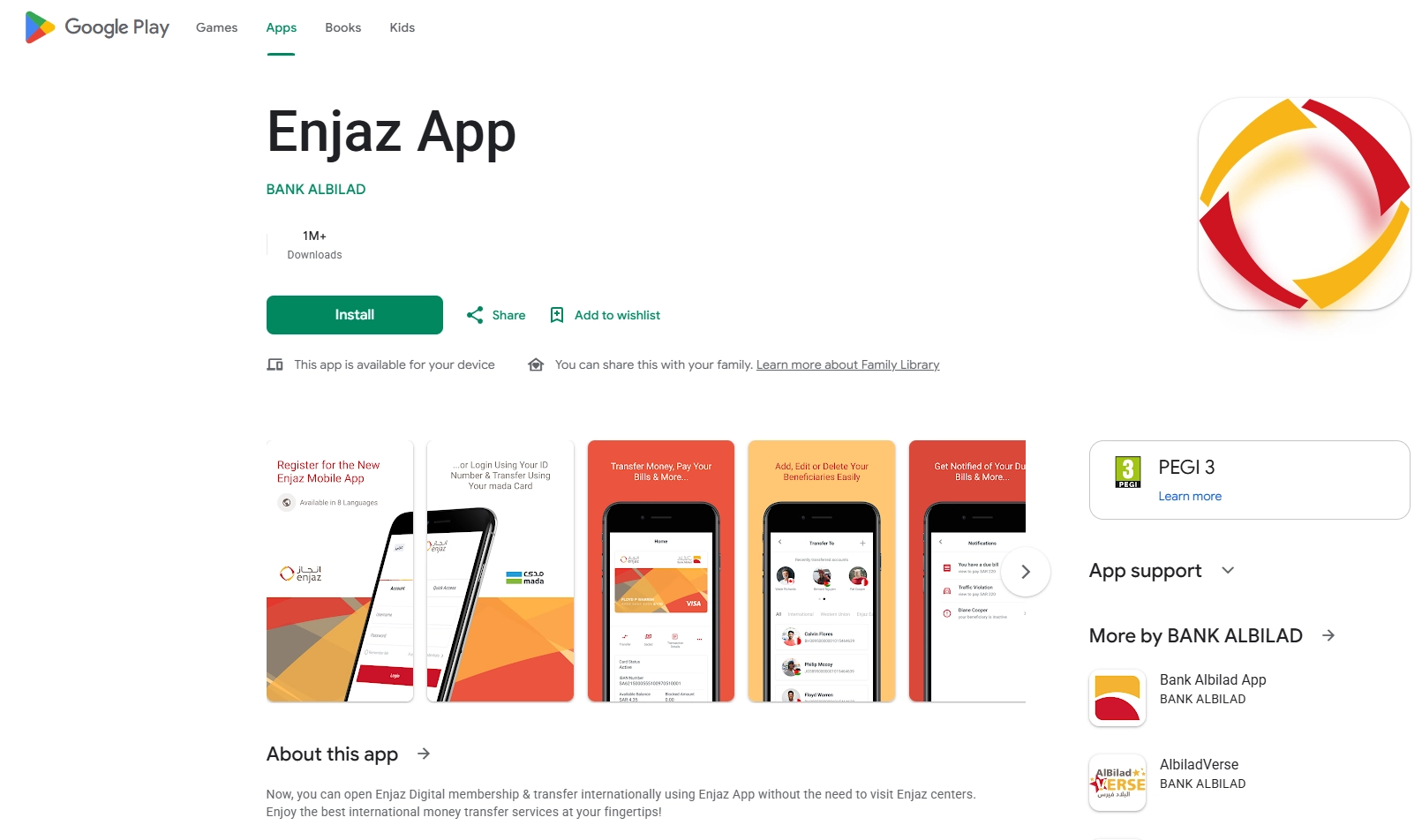
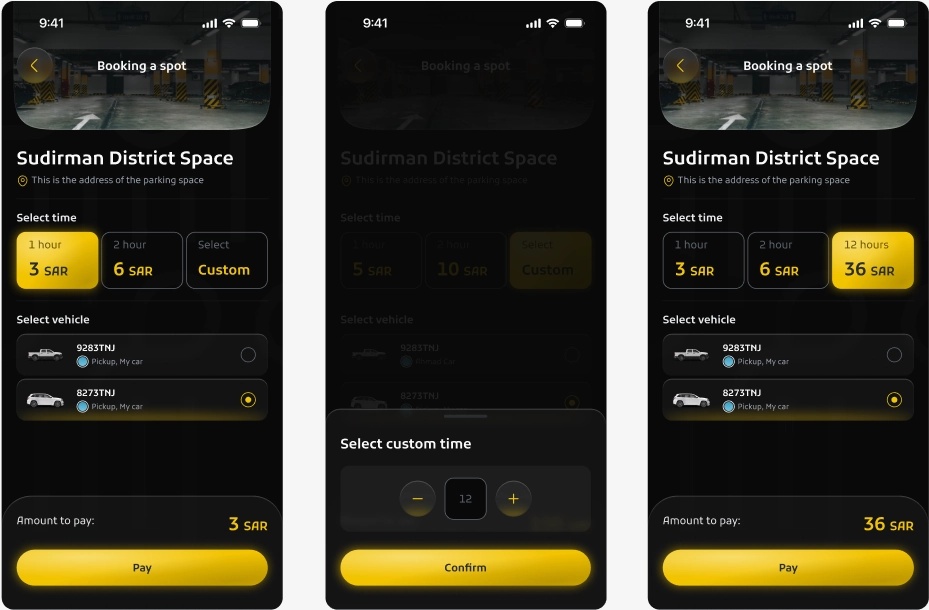
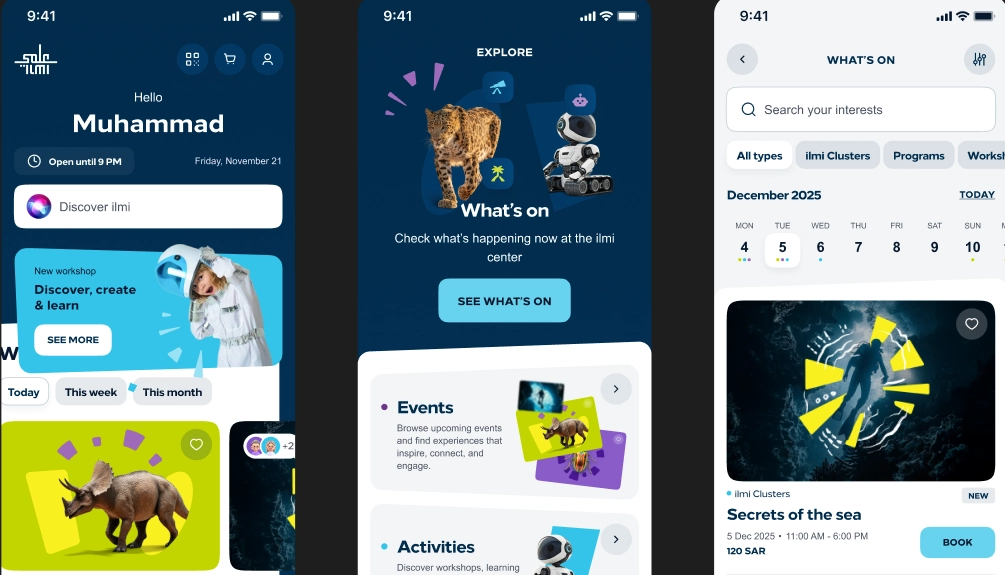
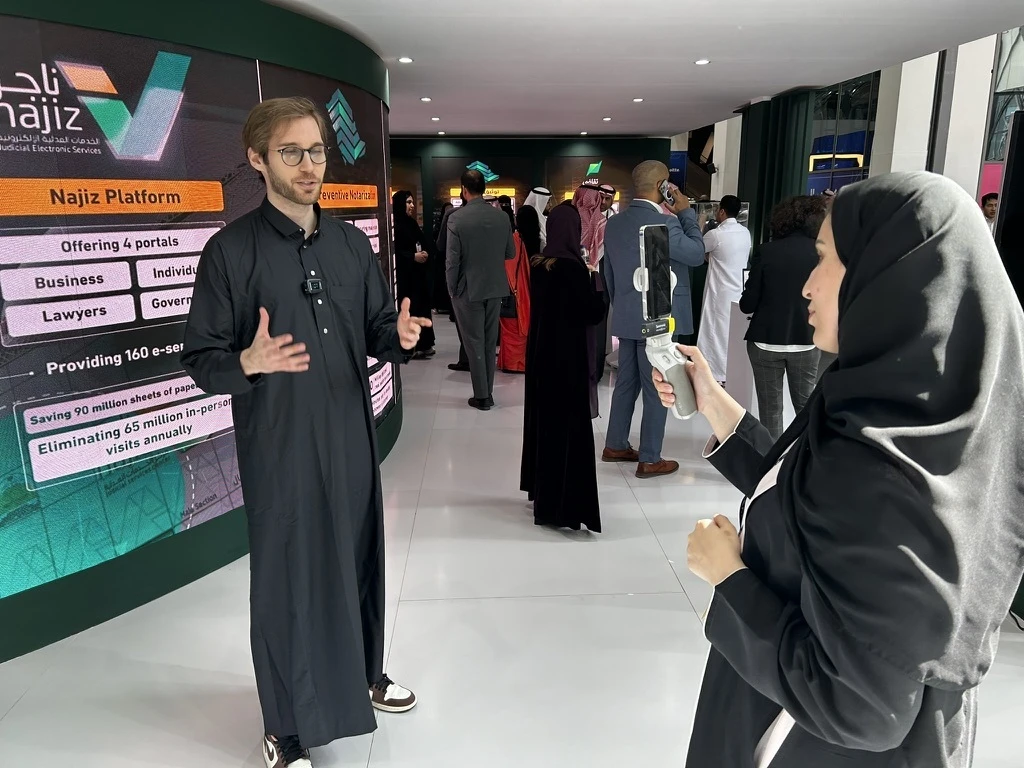
We have designed and delivered some of the Kingdom's highest-traffic mobile products. Nusuk, the Hajj and Umrah platform, serves more than three million users. We built the Enjaz mobile app for Bank Albilad, one of the country's most used banking applications. We have also shipped major government apps including Najiz. Our apps are used by millions of Saudis and consistently earn top ratings in the App Store, Google Play and Huawei AppGallery.
How long does a mobile app project take to deploy in KSA?
A focused MVP with a clear scope usually reaches the stores in three to five months, including discovery, UX, build and review. A complex enterprise app with government integrations, multiple user roles and compliance sign-off typically runs six to twelve months and ships in phases. Timelines in Saudi Arabia often extend for Nafath, Absher or banking integrations and security review, so we map those dependencies in week one and give you a realistic plan tied to your integrations, not a generic estimate.
Which government identity systems do you integrate with?
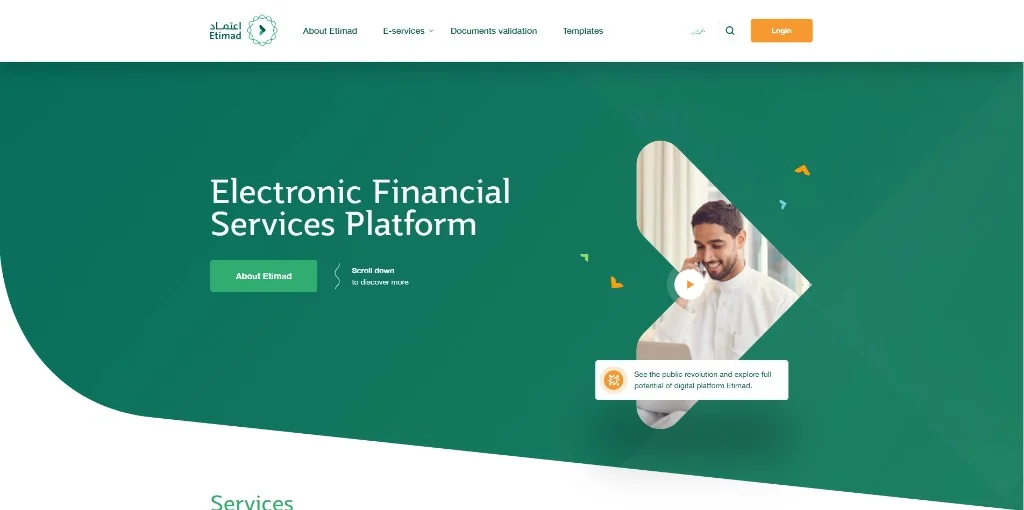
We integrate mobile apps with the identity and government rails Saudi enterprises rely on every day: Absher, Nafath, Elm, Etimad and Mudad. We also connect HR and payroll flows through Qiwa, GOSI and Madar, and wire payment and verification through HyperPay, Moyasar, Tamara, STCPay, Unifonic and Taqnyat. Because we have shipped national and regulated apps in the Kingdom, we know how these systems behave in production, not just on a slide.
Do you support Arabic RTL and bilingual UX?
Arabic is designed and built in parallel, never mirrored as an afterthought. We handle full RTL layouts, bilingual content, Arabic typography and number formatting, and we test both directions on real devices, including Huawei handsets common in the Kingdom. It is a large part of why apps we have shipped feel native to Saudi users rather than translated for them.
How do you handle NCA and PDPL in mobile apps?
Compliance is engineered in from the first commit, not patched before launch. We design for NCA security expectations and PDPL data rules with secure authentication, encrypted local storage, careful permission handling and data residency on Saudi-certified infrastructure such as AWS Bahrain, STC Cloud and Alibaba Cloud KSA. We have taken government and banking apps through exactly these requirements, so the teams who sign off on security can do so without a long list of fixes.
Native vs cross-platform for our programme?
It depends on what the app has to do. If it leans on heavy animation, hardware features or offline performance, native in Swift, Kotlin and HarmonyOS earns its cost. If you want one team shipping to App Store, Google Play and Huawei AppGallery on a tighter budget and timeline, Flutter or React Native gets you near-native results from a single codebase. We make that call with you in the first sessions, based on your users and roadmap, not a house preference.