Headless CMS vs traditional CMS for our stack?
The right answer depends on how many channels and languages you serve. If you publish to one site with a small team, a traditional CMS keeps things simple and fast to launch. If you push content across web, mobile and partner channels in Arabic and English, headless decouples content from presentation and saves you a rebuild every time you add a surface. We map it to your real publishing workflow in the first sessions, not to a product we prefer to sell.
How do you approach legacy modernisation without rip-and-replace?
We rarely recommend tearing everything down at once, because that is where budgets and timelines die. We start by mapping the existing system, then carve off the highest-value pieces and modernise them behind stable interfaces, often with the strangler pattern. New services run alongside the old until the legacy parts can retire safely. You get measurable progress and a working platform throughout, not a risky big-bang cutover.
What front-end and back-end stacks do you use?
On the front end we build in React, Vue, Next.js and Angular, styled with Tailwind or Bootstrap. On the back end we work across .NET, Java, Node.js, PHP and Python, with SQL data layers. For content we deliver on Adobe Experience Manager, Sitecore, Liferay, Umbraco, Kentico, WordPress and Drupal, or custom on Laravel. We pick the stack that fits your team and systems, so you are not locked into ours.
How do you meet NCA and local hosting requirements?
We engineer to NCA security expectations from the first commit and host on Saudi-certified infrastructure so your data stays resident and compliant. Secure authentication, encryption in transit and at rest, careful access control and audit logging are built in, not added before launch. We have taken government and financial platforms through exactly these standards, so the teams who own security can sign off without a long remediation list.
Can you work inside our existing DevOps pipeline?
Yes. We adapt to your CI/CD, repositories, cloud and ticketing rather than imposing ours. We pick up your branching model, code review and deployment process, and where the pipeline has gaps, our engineers help close them with automated testing, infrastructure as code and observability. The goal is for our work to land in your environment cleanly, so your platform team keeps full control after we hand over.
What does a typical web programme timeline look like?
A focused site or portal usually goes live in a few months, with discovery and architecture up front, then build in two-week sprints you can see and react to. A large multi-system platform with integrations runs longer and ships in phases, so value lands early instead of all at the end. We give you a realistic, scoped timeline after the kick-off rather than a number that slips later.
How do you handle Arabic RTL and bilingual content?
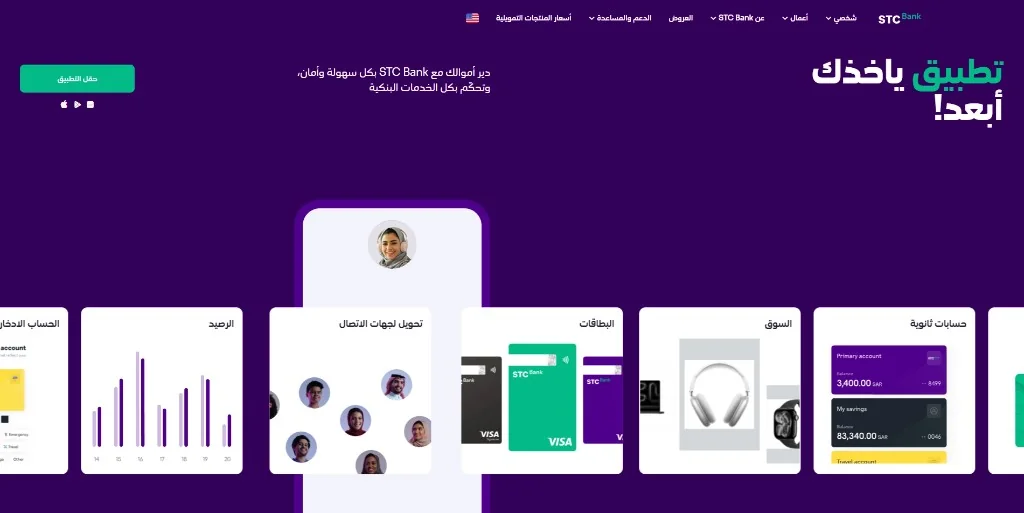
Arabic is engineered in from the start, not retrofitted. We build full RTL support into the front end and the content model, handle bilingual publishing, Arabic typography and number formatting, and test both directions on real content. Because we treat Arabic and English as equal from the first commit, the platform feels native to Saudi users rather than translated for them.
Why Crafton instead of a generic software house?
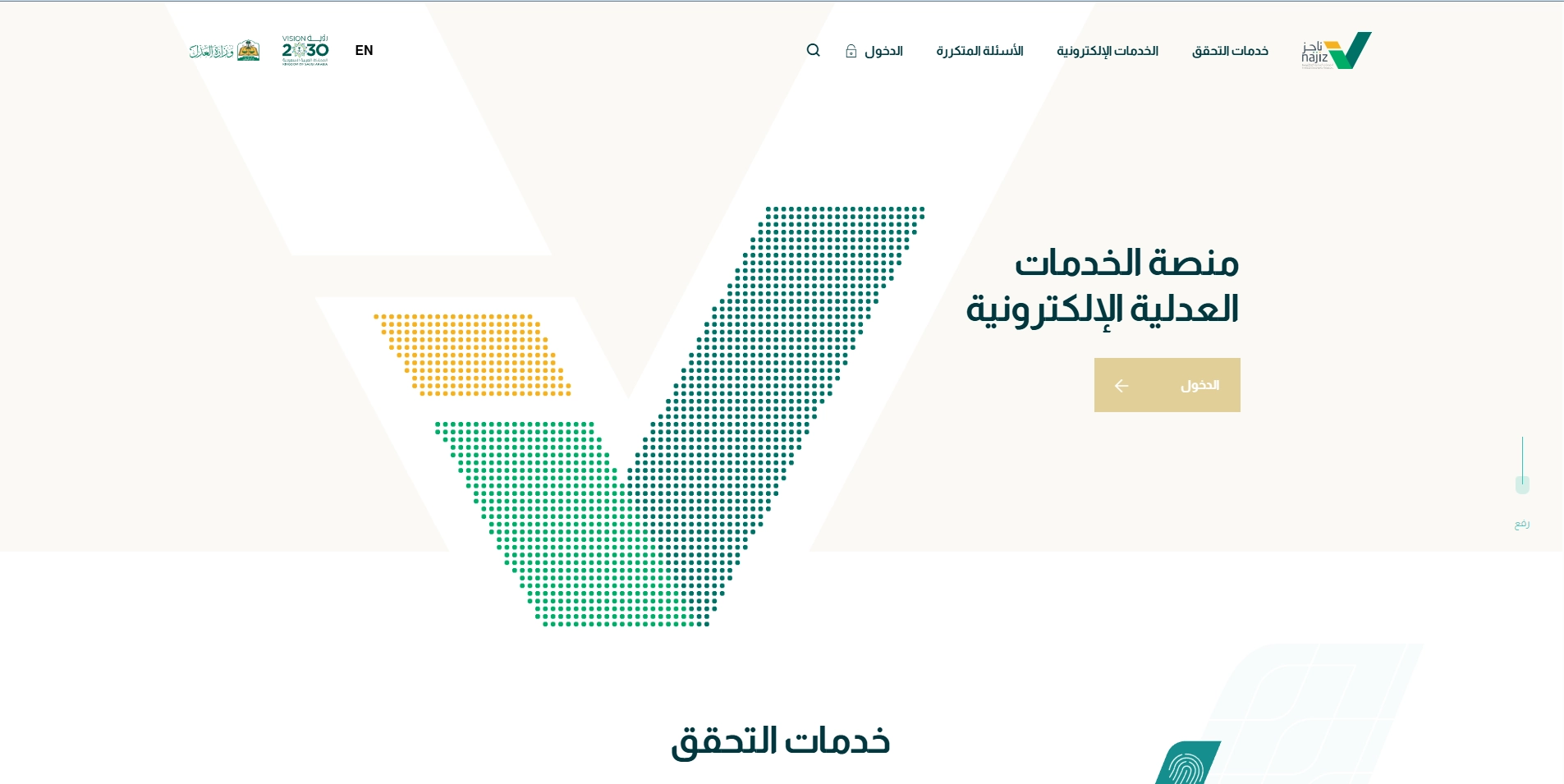
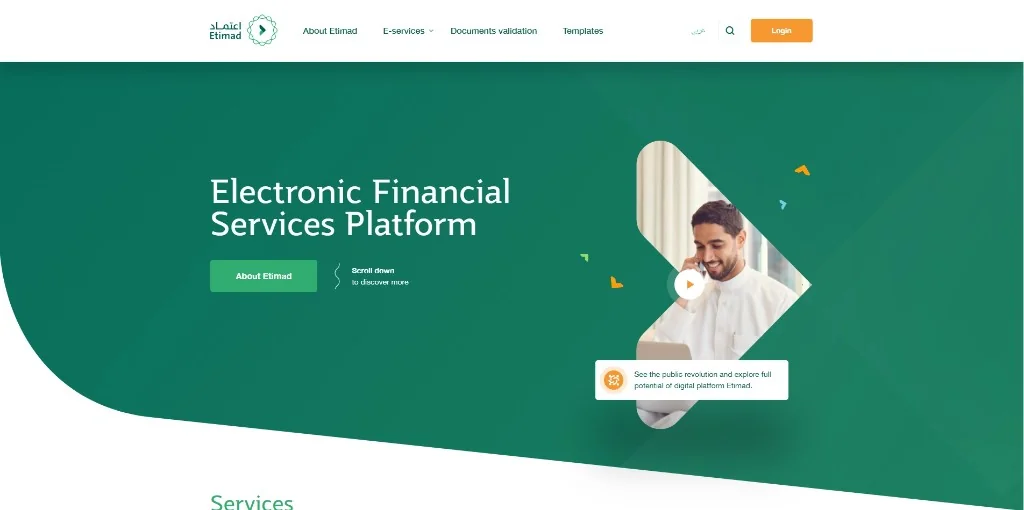
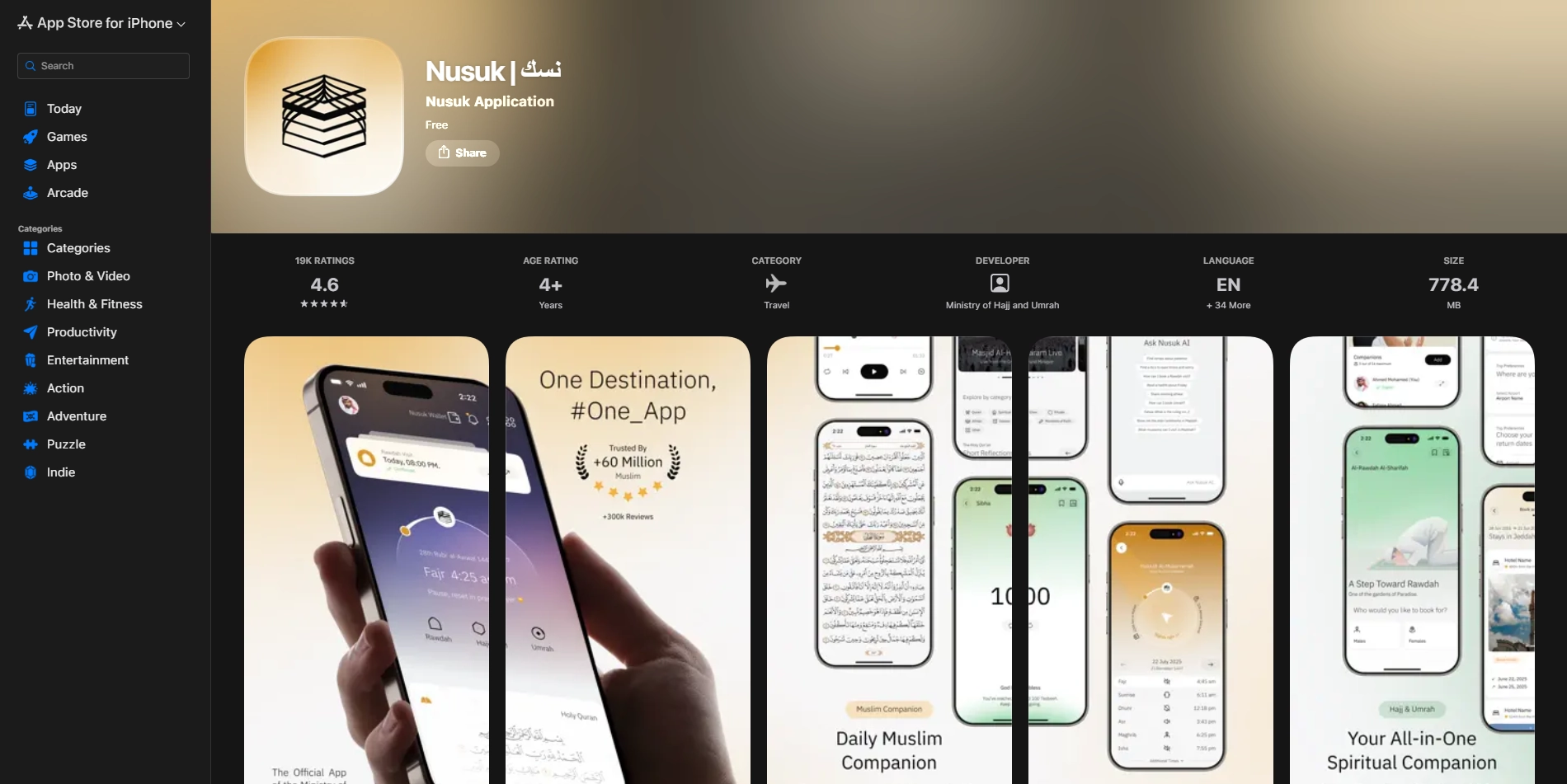
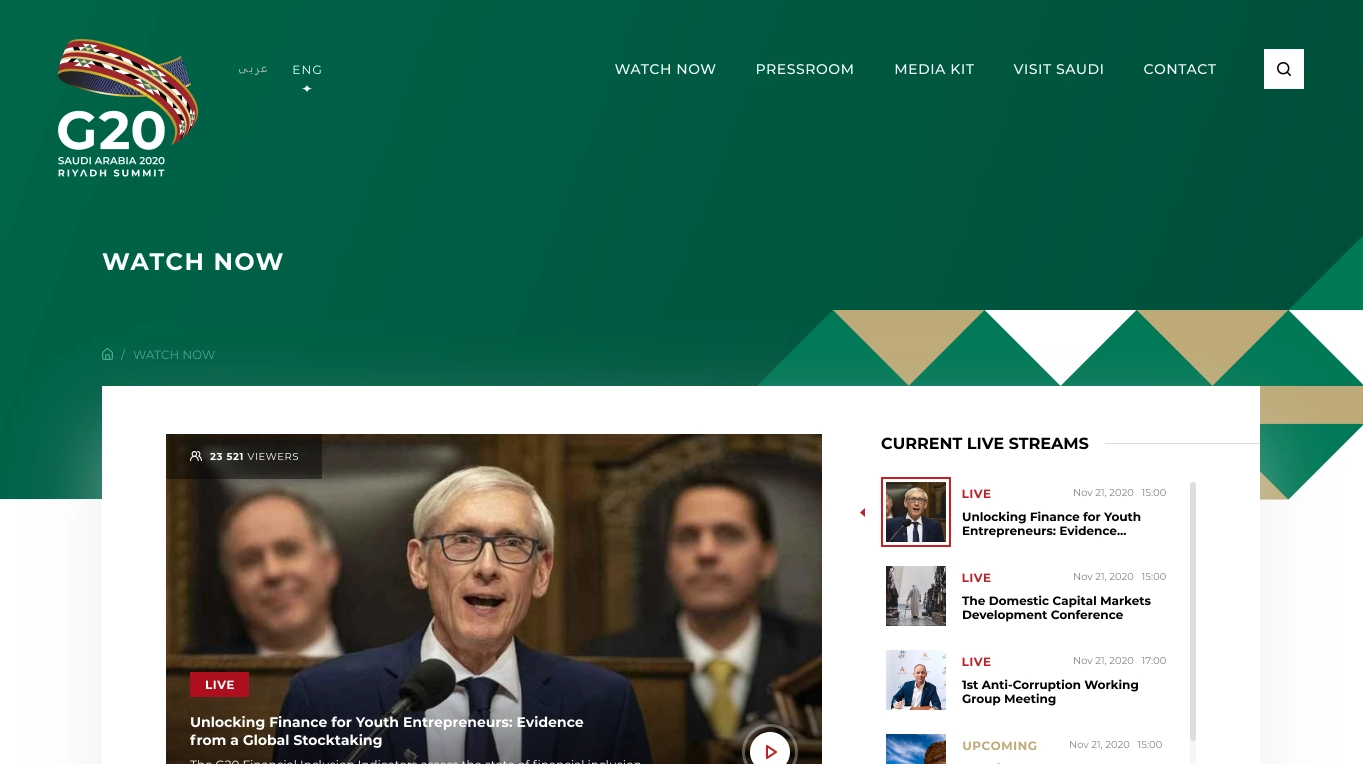
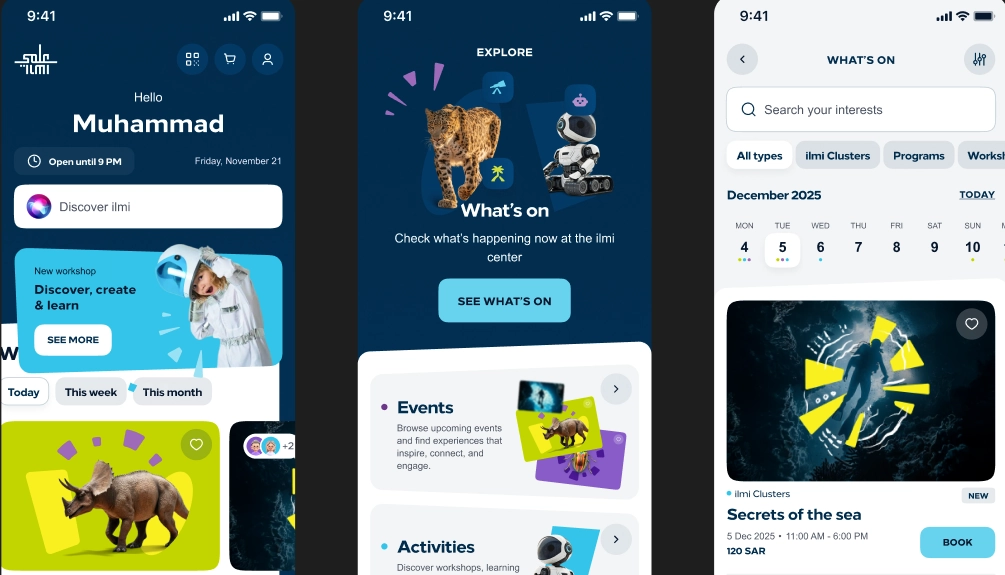
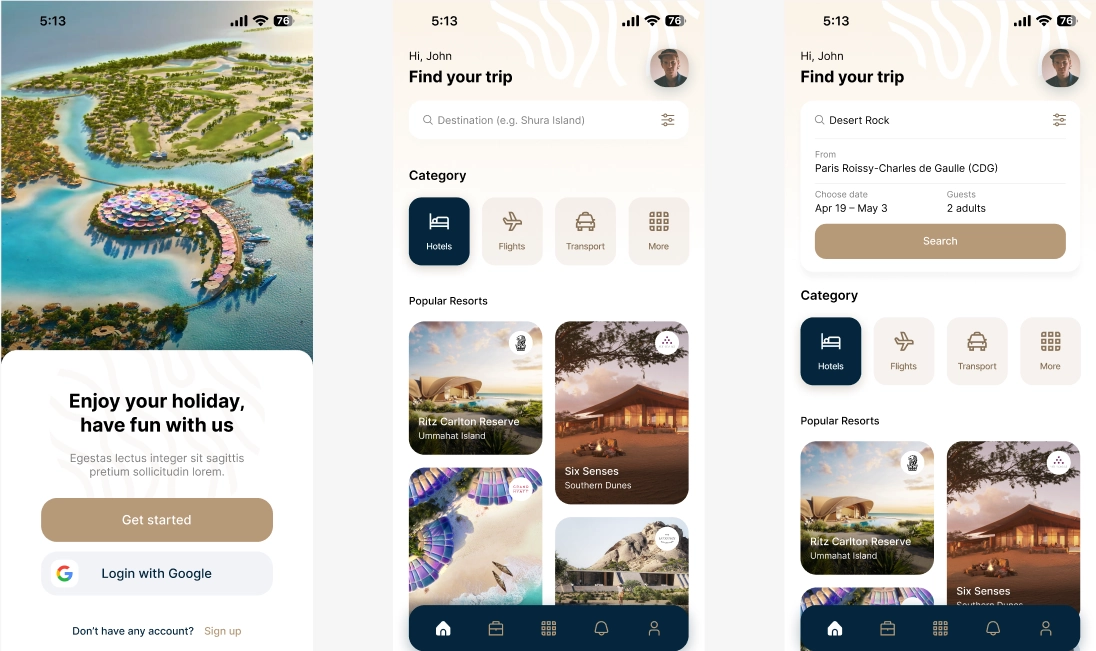
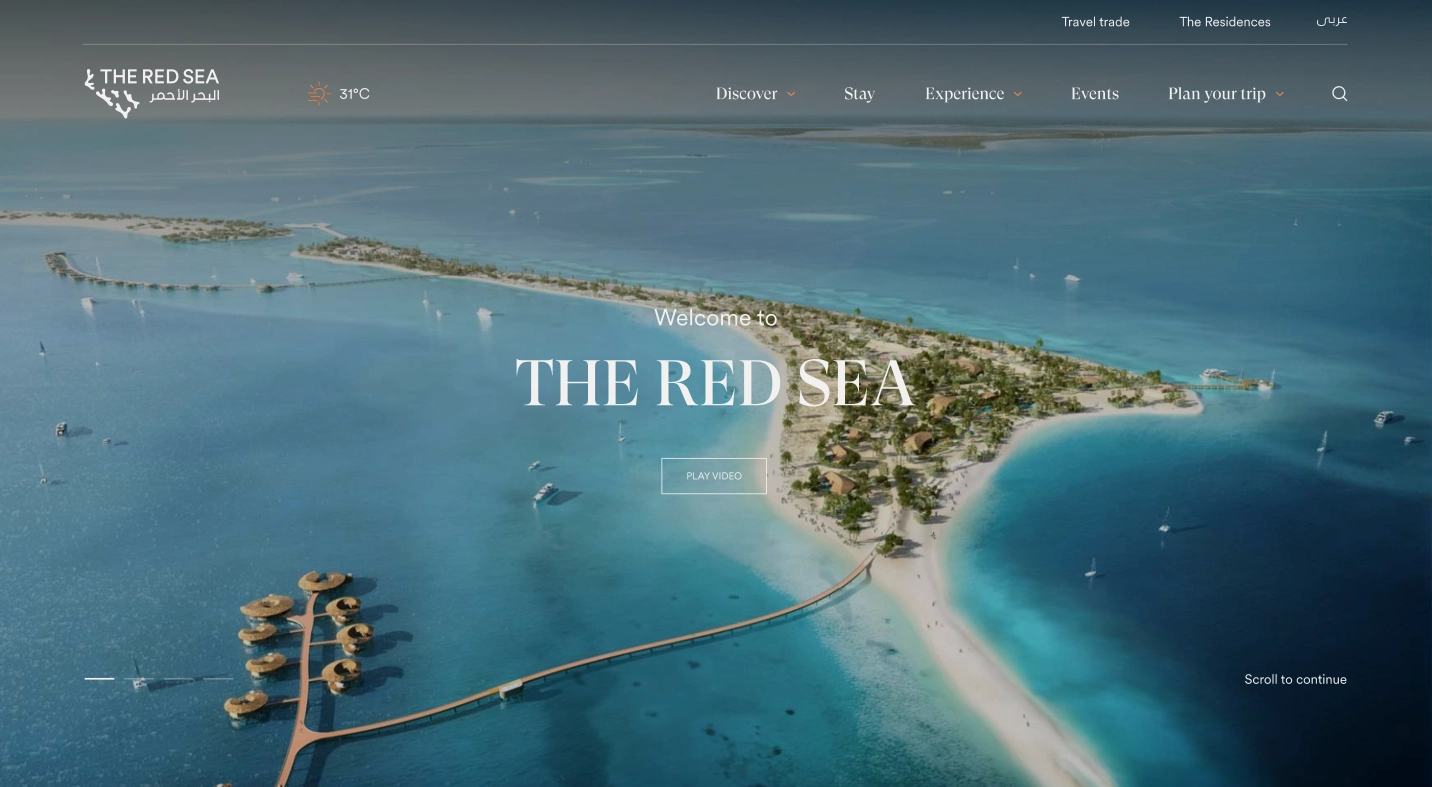
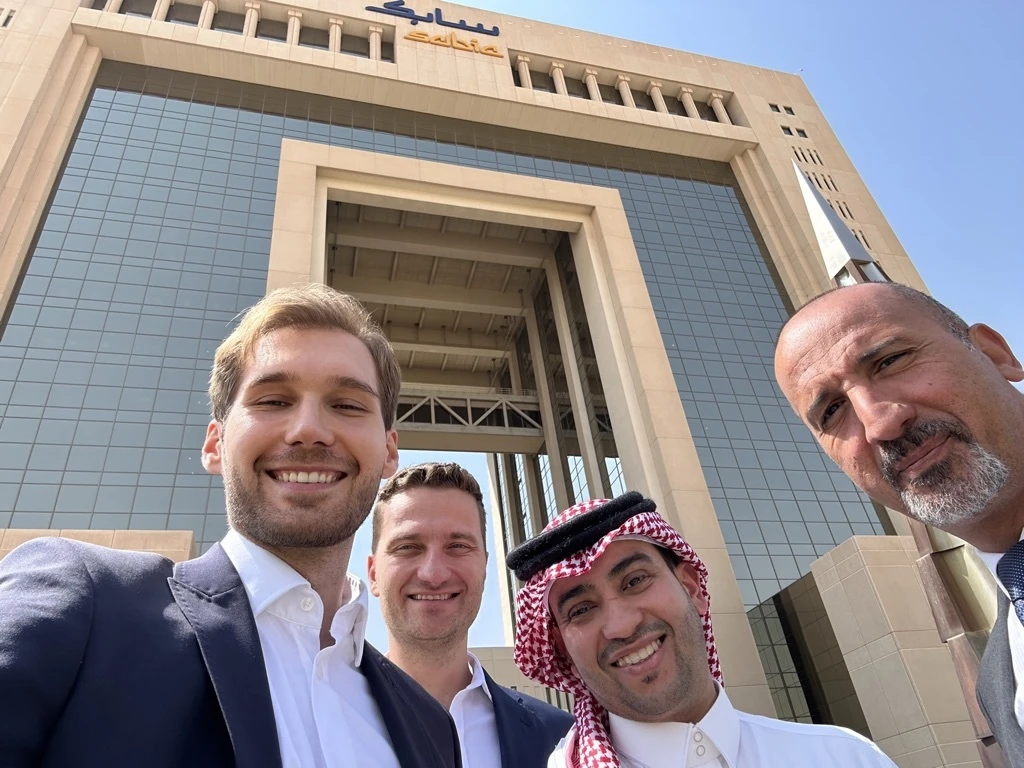
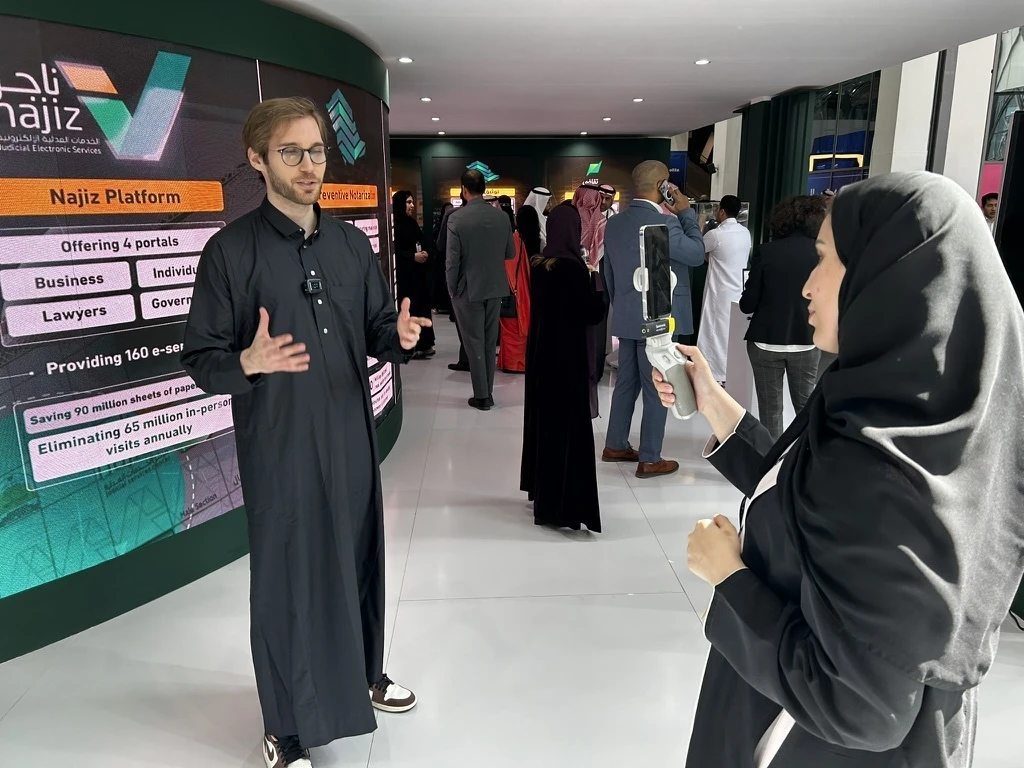
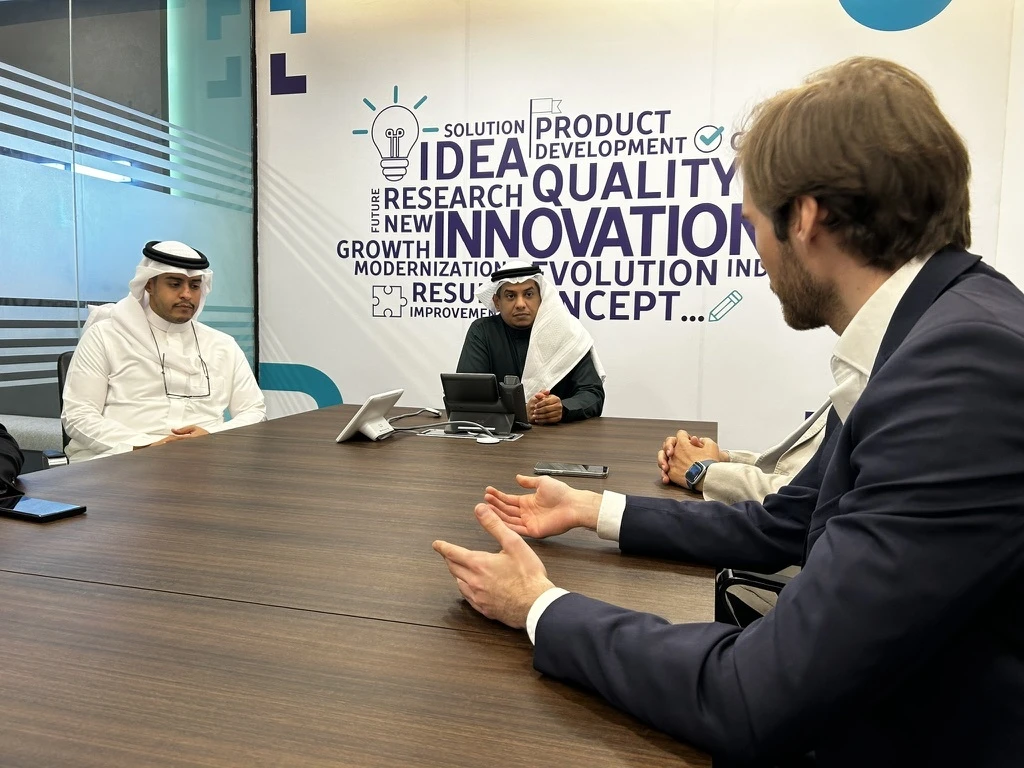
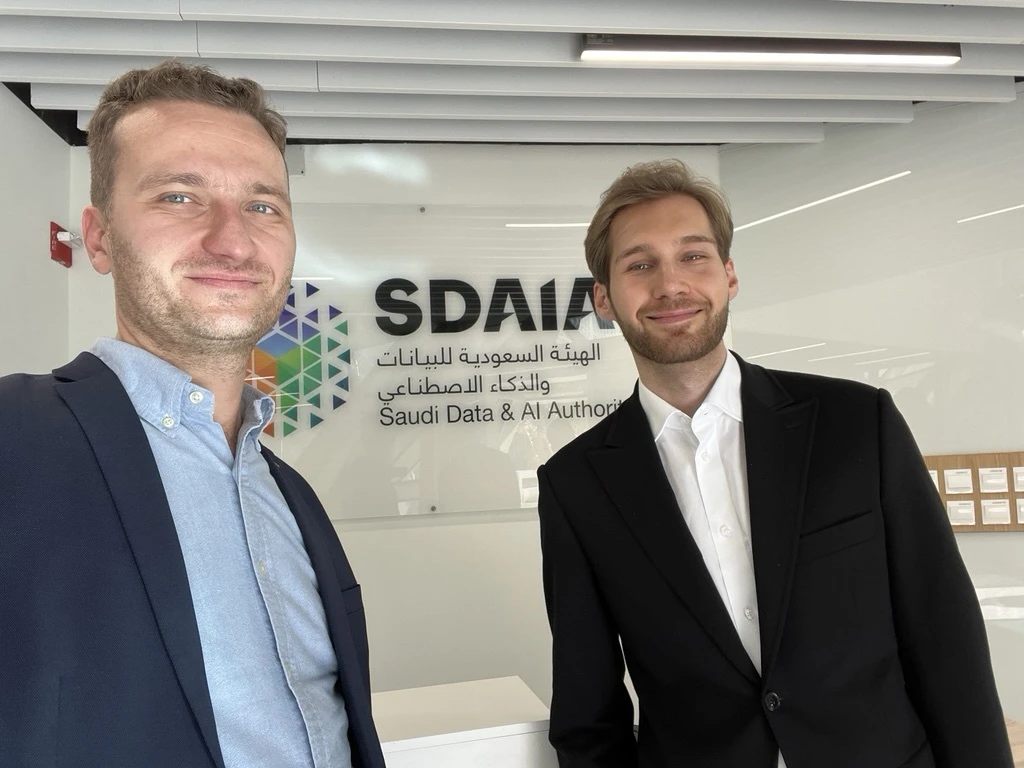
Because we are accountable in the Kingdom, not just available remotely. We are a registered Saudi entity with on-site teams, we have engineered platforms like Najiz, Etimad and Nusuk, and we pair that local presence with senior Polish engineering. A generic shop gives you developers. We give you a team that understands Saudi compliance, meets your stakeholders in person, and owns the platform end to end.